
Receiving a cancer diagnosis can turn your entire life around. And for adolescents and young adults (AYAs), it can hit even harder.
We are here to help and support you. We know this journey can feel overwhelming.
The most important steps you can take as a newly diagnosed cancer patient is to educate yourself about your diagnosis and learn about all the resources available to you. And luckily, there are a lot!
We’ve put together resources specifically for AYA cancer patients, family and friends, including:
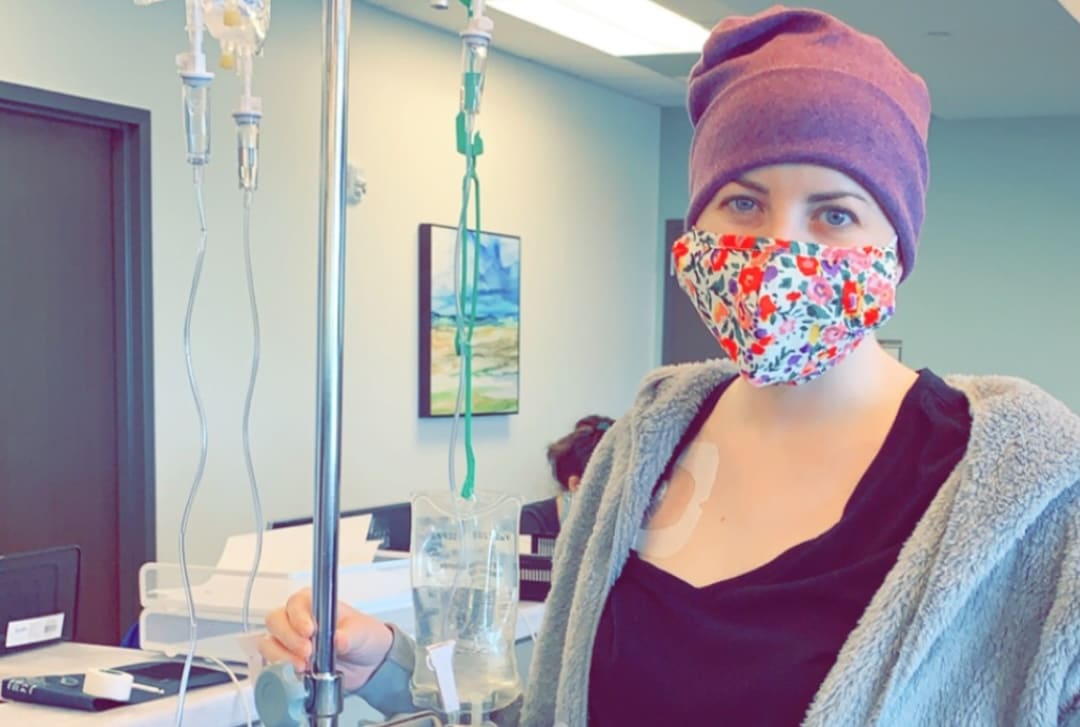
A cancer diagnosis can be shocking and overwhelming. It may leave you with many questions about what happens next.
Take things one day at a time. Try not to Google anything until you’ve met with your doctor.
Lean on your loved ones for comfort and support.
Your first appointment will be with an oncologist—a doctor who specializes in cancer. During this visit, you’ll learn what type of cancer you have, what stage it’s in, and what your treatment options are. Treatment options depend on both the type of cancer and its stage.
We recommend bringing someone with you to every appointment.
They can provide emotional support and help you listen and ask questions you may not have thought of.
Most importantly, remember: you are not alone. Your loved ones, friends, medical care team, and local organizations are all here to support you.There are many resources for cancer patients to help guide you through each step of your journey.
Sarcomas are a rare type of solid tumor cancer that develops in connective tissues like bone, muscle, fat, nerves, and blood vessels. There are more than 70 different types of Sarcomas.
Types of sarcoma include Ewing sarcoma, Osteosarcoma, Neuroblastoma, Rhabdomyosarcoma, soft tissue sarcomas.
Your treatment will depend on what kind of sarcoma you’ve been diagnosed with and what stage of cancer you’re in.
The two most common treatments you’ve probably heard of are chemotherapy and radiation. Depending on the location of your cancer, surgery to remove tumors may also be a viable option.
In addition, immunotherapy is an emerging treatment that harnesses the power of your body’s own immune system to help fight the cancer.
Your doctor will discuss the specifics of your treatment plan with you, but it’s important to know that side effects can vary depending on the type of treatment you’re receiving.
Common side effects may include nausea, fatigue, hair loss, and loss of appetite. However, everyone’s body responds to treatment differently, so these effects can vary from person to person.
The risks depend on the type of cancer, the types and doses of treatments used and a person’s age when getting treatment.
A few examples can be:
AYA stands for adolescent and young adults ages 13 – 29.
The cancer experience can be very different for young adults.
This is because of several unique challenges they face.
One challenge is that it often takes longer to get a diagnosis. There is still limited awareness about cancer in adolescents and young adults (AYAs), especially when they appear healthy.
Your experience may also depend on what stage of life you’re in. Whether you’re in high school, starting college, or beginning a career, fitting cancer treatment into your routine can feel overwhelming.
Romantic relationships can also be difficult to build or maintain during this time. Many AYA cancer patients struggle with emotions like anxiety, depression, and feeling isolated.
It can be hard to relate to peers who seem to be living a “normal” life.
The good news is that support is available. Many local organizations, including ours, are here to help.
They raise funds for cancer research and offer resources for patients.
They also create ways for AYA cancer patients to connect with each other.
These connections offer a safe space to share experiences and support one another. They help you build relationships with people who truly understand what you’re going through.